Thought Leadership

Saint Peter’s University is making a clear investment in the future of healthcare education.
With the unveiling of its new Health Education, Simulation and Innovation Suite, the University is redefining how students prepare for clinical practice through immersive, technology-driven learning.
This is not simply a facility upgrade.
It is a strategic move toward a more experiential, outcomes-focused model of education.
A Purpose-Built Environment for Experiential Learning
The newly launched 12,000-square-foot suite was designed to expand both capacity and capability.
The fully renovated space doubles the size of Saint Peter’s nursing programs and introduces a learning environment built around real-world application.
At the center of the suite are high-fidelity simulation labs that replicate clinical settings with remarkable precision. Advanced manikins simulate real patient responses, allowing students to practice assessment, intervention, and decision-making in a controlled environment.
This level of realism bridges classroom learning and clinical readiness.
Integrating Immersive Technology into Clinical Training
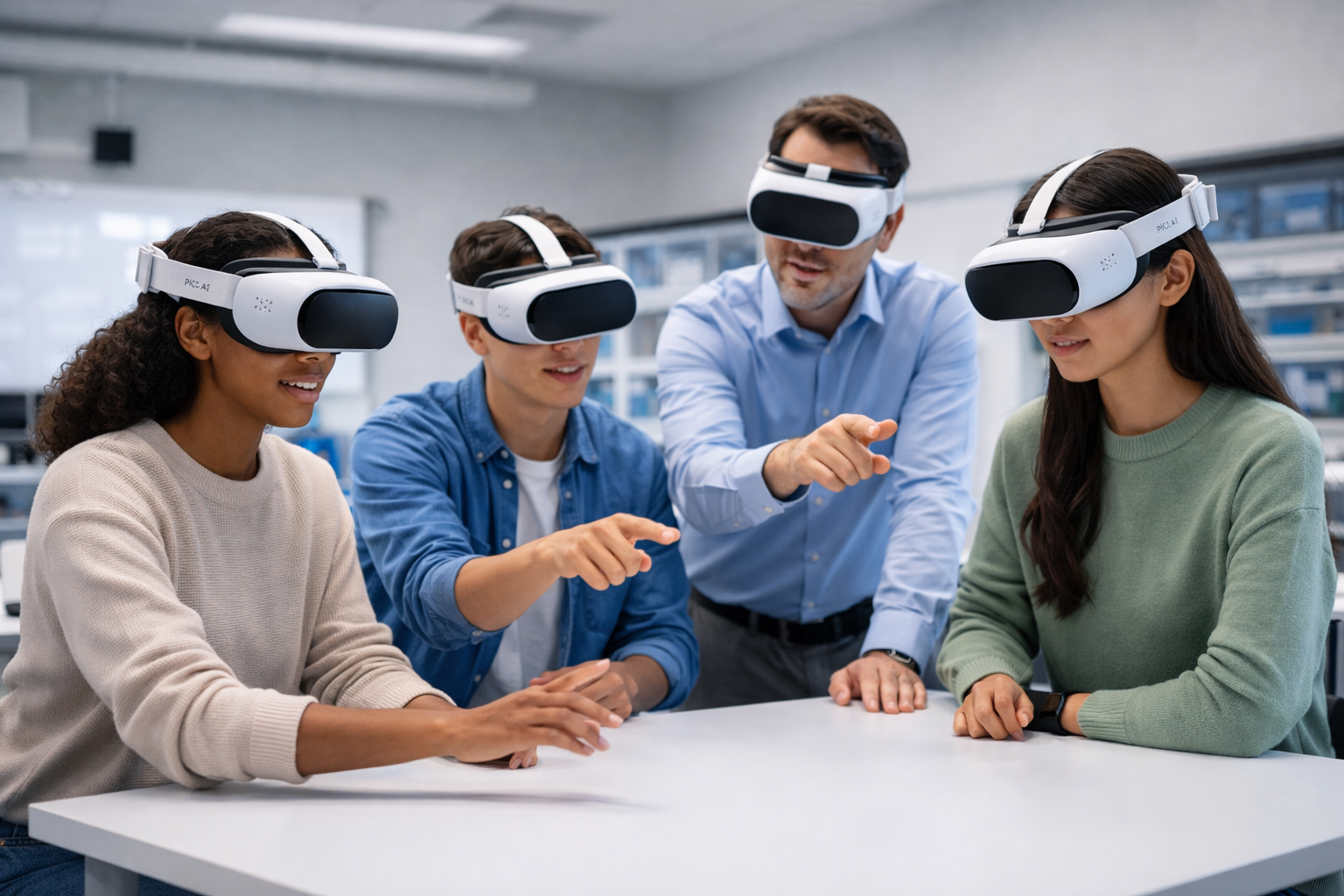
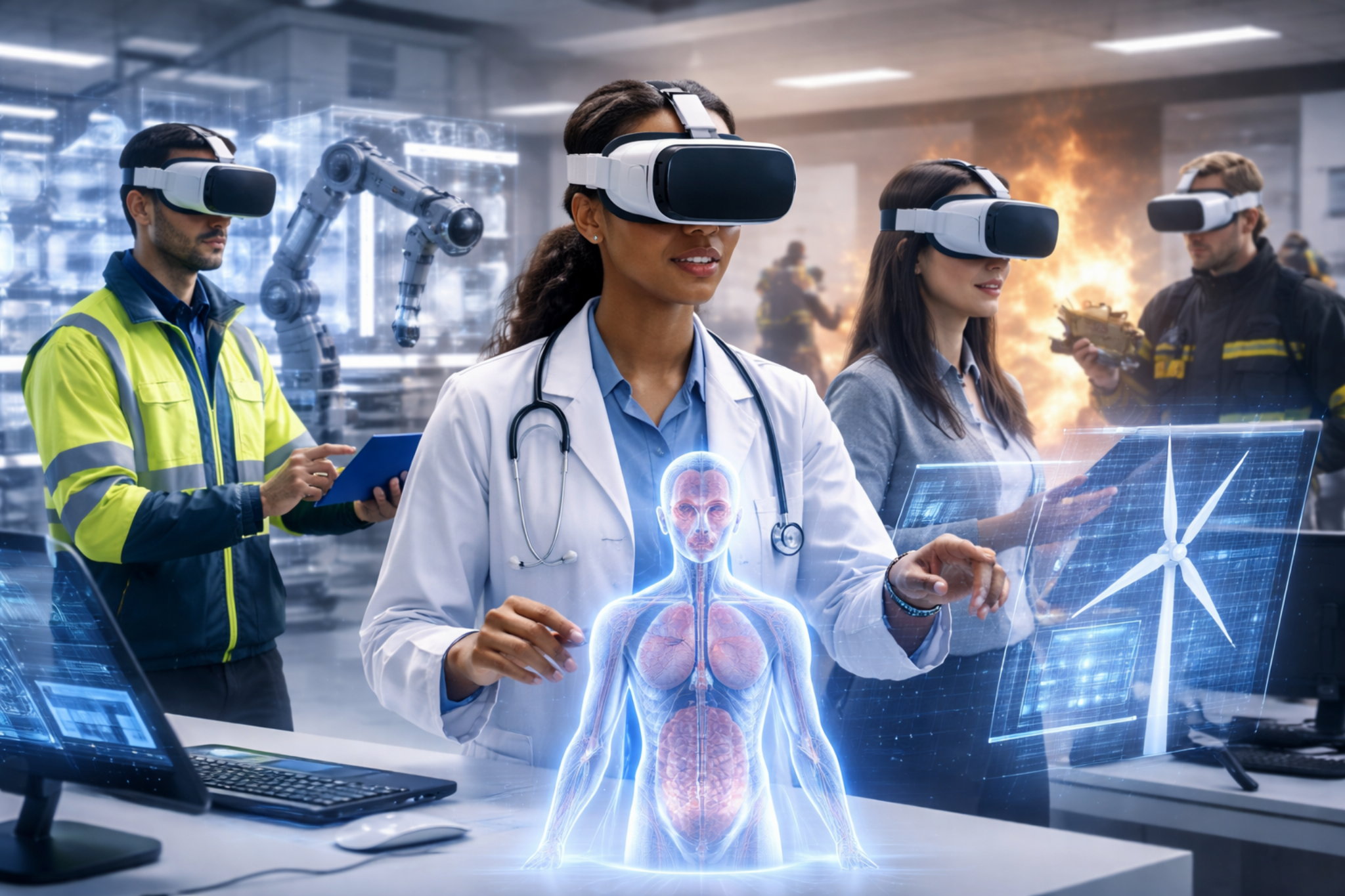
Beyond simulation, Saint Peter’s has incorporated a dedicated virtual reality training environment to extend learning opportunities further.
Within these immersive scenarios, students engage in:
Multi-patient care coordination
Diagnostic and clinical decision-making
Complex, real-world healthcare situations
These experiences allow students to build confidence and competence before entering live clinical settings.
More importantly, they enable repetition, variation, and exposure that traditional environments often cannot provide.
Expanding Access While Elevating Outcomes
What makes this initiative particularly impactful is not just the technology itself, but how it supports broader institutional goals.
By expanding program capacity and integrating immersive learning tools, Saint Peter’s is:
Increasing access to healthcare education
Enhancing student preparedness and confidence
Aligning training with the evolving demands of the healthcare workforce
This approach reflects a clear understanding that the future of healthcare education requires both scale and quality.
A Model for Modern Healthcare Education
Saint Peter’s is not adopting technology for the sake of innovation.
It is building a model where experiential learning, simulation, and immersive technology work together to create more effective, practice-ready graduates.
This is what intentional implementation looks like.
And it is a strong example of how institutions can evolve their programs to meet the needs of both students and the healthcare system.
Expanding What's Possible
While Saint Peter's initial implementation is focused within its nursing program, the foundation they've built is designed to scale.
With the right alignment of curricula, technology, and faculty, this model can extend across a wide range of disciplines, creating a more unified and immersive learning experience across programs.
For institutions already seeing success in one area, the next opportunity is clear.
How can that success expand to drive impact across more programs, more students, and more learning environments?
______________________________________
The Leader Behind the Initiative
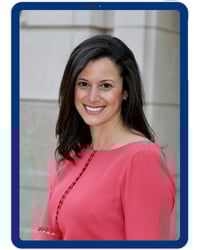
Dr. Christina Mortellaro serves as Assistant Vice President for Academic Affairs and Interim Dean of the School of Nursing and Health Professions at Saint Peter’s University.
With more than 17 years of experience in higher education, she leads initiatives focused on student success, curriculum innovation, and academic strategy. Her background as a faculty member in anatomy and physiology informs her commitment to experiential learning and instructional relevance.
Dr. Mortellaro has played a key role in advancing health sciences education at Saint Peter’s, including founding BS and MS programs in Health Sciences and leading a comprehensive Core Curriculum redesign. She also directs federally funded initiatives that expand access and support for first-generation and underrepresented students.
Her work is centered on integrating innovative approaches to learning, including simulation and immersive technologies, to better prepare students for the future of healthcare.